

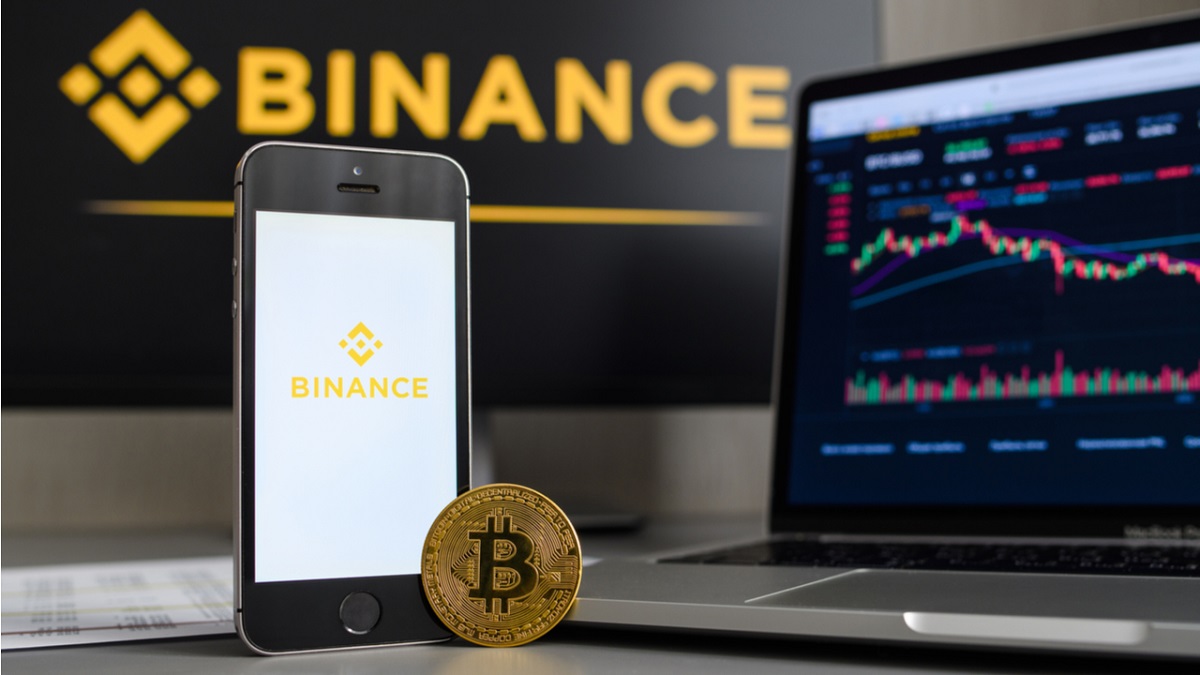
Binance is one of the largest and most popular cryptocurrency exchanges in the world, known for its wide range of trading options, high liquidity, and user-friendly interface. Understanding how Binance trading works in practice involves grasping several key components: account setup, deposit methods, order types, market dynamics, fees, and security measures.
To start trading on Binance, users must first create an account by providing basic identification information and completing necessary verifications to comply with regulatory standards. Once registered, traders can deposit funds into their Binance wallet using various methods including bank transfers, credit cards, or by transferring cryptocurrencies from other wallets. The platform supports a vast array of digital assets such as Bitcoin (BTC), Ethereum (ETH), Binance Coin (BNB), and many altcoins.
The core of Binance’s functionality lies how this works in practice its spot trading market where buyers and sellers place orders to exchange cryptocurrencies at specific prices. Trading occurs through an order book system that matches buy orders (bids) with sell orders (asks). Users can choose different types of orders depending on their strategy: market orders execute immediately at the current market price; limit orders set a specific price at which they want to buy or sell; stop-limit orders trigger a limit order once a certain price threshold is reached.
Binance also offers advanced features like margin trading and futures contracts for users seeking leveraged exposure to crypto assets. Margin trading allows participants to borrow funds to increase their buying power but comes with higher risk due to potential liquidation if markets move unfavorably. Futures contracts enable speculation on asset prices without owning the underlying tokens directly.
Market dynamics on Binance are influenced by global supply-demand factors as well as news events affecting cryptocurrencies’ valuations. Due to its large user base and high volume transactions across various pairs-such as BTC/USDT or ETH/BTC-Binance provides deep liquidity which helps minimize slippage during trades.
Trading fees on Binance vary depending on whether you use BNB tokens for fee discounts or maintain higher VIP levels based on monthly trade volumes. Typical taker fees range around 0.1%, making it competitive compared to other exchanges.
Security remains paramount in practical usage; thus Binance employs multiple layers including two-factor authentication (2FA), withdrawal whitelist controls, cold storage for majority funds offline storage protection against hacks.
In summary, trading on Binance operates through a seamless interaction between user accounts funded via fiat or crypto deposits; placing strategic buy/sell orders within an extensive marketplace supported by robust infrastructure designed for speed and security; all while offering diverse tools catering both beginner traders looking for straightforward spot trades as well as professionals engaging in complex leveraged positions. This combination makes it accessible yet powerful enough for varied cryptocurrency investment approaches worldwide.